one of those things
US /wʌn əv ðoʊz θɪŋz/
・UK /wʌn əv ðəuz θɪŋz/
B2
idm.An unfortunate but unavoidable event.
Losing the ticket was just one of those things that happen sometimes.
Video subtitles
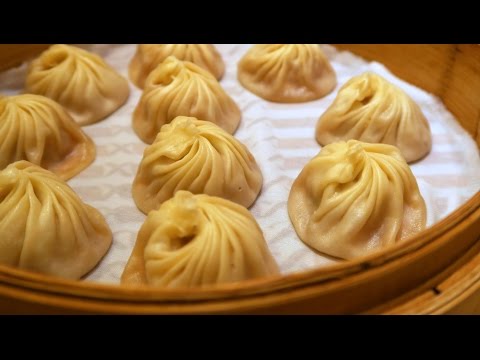
Taiwanese Food (Xiao Long Bao - 小籠包): Eating soup dumplings at Din Tai Fung (鼎泰豐) in Taipei, Taiwan
- It is one of those things where you can tell it is spicy as soon you have it but then as
It is one of those things where you can tell it is spicy as soon you have it but then as
- Yeah, it is one of those things where you can tell it is spicy as soon as you have it but then as you're swallowing it it is like, oh my.
Yeah, it is one of those things where you can tell it is spicy as soon as you have it but then as you're swallowing it it is like, oh my.
How to Make Excuses for Being Late in English! ?⏰?
- I couldn't find my wallet." Hopefully it was just one of those things.
I couldn't find my wallet." Hopefully it was just one of those things.
- Hopefully it was just one of those things.
Hopefully it was just one of those things.
How To Say Sorry For Hurting Someone You Love

- This is one of those things that's not if. It's when. Because we're all gonna do it.
This is one of those things that's not if. It's when. Because we're all gonna do it.
- This is one of those things that's not if, it's when.
This is one of those things that's not if, it's when.
Ozempic is a game-changer. Here’s how it works.

- It's one of those things that I think all of us want to protect at all costs.
It's one of those things that I think all of us want to protect at all costs.
- It's one of those things that I think all of us want to protect at all costs.
It's one of those things that I think all of us want to protect at all costs.
アメリカ人夫婦の会話から学ぶ自然な英語「子供のオモロ発言」

- and it was just one of those things that caught me off guard.
and it was just one of those things that caught me off guard.
- And it was just one of those things that caught me off guard.
And it was just one of those things that caught me off guard.
How can you spot a TikTok wellness scam? - What in the World podcast, BBC World Service
- So it's kind of easy to say like, oh drink more water or eat a more balanced meal, but a lot of people have kind of tried this before or are already doing it in their life, so it doesn't kind of seem like something you can really easily latch on to. Whereas when you say cut out all carbs, that's like a new thing that you can bring into your life that feels like you're really changing something. So trends tend to be something that's new, kind of strange sounding, and something that you can easily latch on to that people think may improve their life. Now we should point out that in terms of the wellness industry, not everything is a scam. As you said up top, it's a massive industry and there are indeed products that are backed by scientific evidence. My question for you is this though, where is the line? When does it become problematic? It's really tough to draw that line sometimes because you've got most of the trends that I see tend to be kind of in this middle area where they don't work, but they don't cost you money, so it's not really an issue if people want to try them. It may lead to something, it may make you happier in some way, but it kind of is this middle ground where, oh it is a lie, but at least there's no direct harm being caused. And then you have the next step, which is selling a product that may not have any harms, costs a lot of money, but also doesn't work. So that's actually ripping people off. Then you've got the next step where someone tries a wellness trend or believes in these products so much that they don't then seek mainstream medical care. That's really problematic because it delays treatment, it can delay prevention, which is really the most important point in medical care, and it can cause people to have a bit of distrust in mainstream medicine and think that this maybe natural solution that an influence is selling is better than a pharmaceutical or doctor recommended treatment. And then there's the last step where influencers recommend products or regimes that are actively harmful. So this is when they recommend disordered eating habits or a product that has a high concentration of some chemical or some, I don't know, byproducts that can actually cause harm. Now I think it's easy for people to watch this and say, oh how could people fall for these scams? But the fact is there are a lot of vulnerable people. Perhaps they have consulted a doctor, they haven't found a solution, and they sincerely want that solution. Do you think that plays in to this becoming so popular, this trend taking off? It's so easy to be swept up when you're seeing video after video after video from these beautiful influencers who've changed their lives and look at that and be like, wow, I want to feel like, I want my gut to be healthy, I want my hormones to be balanced. These terms are meaningless and gut health, for example, is so complex. An influencer on TikTok is not going to know how to solve it. We talked about aspiration, we talked about people seeking a solution. Are there any other reasons that these online trends go viral, that they're so effective for the influencer in promoting themselves? I think one thing that these viral trends tend to do really well for influencers is to be a successful influencer, you need to have a story, you need to have a character arc. These wellness trends are a really easy way to create a character arc for yourself. You could say, come with me on my journey to heal my cortisol levels. It's one of those things where, okay, well now I'm going to tune in and see if this influencer does heal their cortisol. Even if they're doing completely separate things. One trend that people may have seen is cortisol face, which is when there's just like a bit of fat in your face.
So it's kind of easy to say like, oh drink more water or eat a more balanced meal, but a lot of people have kind of tried this before or are already doing it in their life, so it doesn't kind of seem like something you can really easily latch on to. Whereas when you say cut out all carbs, that's like a new thing that you can bring into your life that feels like you're really changing something. So trends tend to be something that's new, kind of strange sounding, and something that you can easily latch on to that people think may improve their life. Now we should point out that in terms of the wellness industry, not everything is a scam. As you said up top, it's a massive industry and there are indeed products that are backed by scientific evidence. My question for you is this though, where is the line? When does it become problematic? It's really tough to draw that line sometimes because you've got most of the trends that I see tend to be kind of in this middle area where they don't work, but they don't cost you money, so it's not really an issue if people want to try them. It may lead to something, it may make you happier in some way, but it kind of is this middle ground where, oh it is a lie, but at least there's no direct harm being caused. And then you have the next step, which is selling a product that may not have any harms, costs a lot of money, but also doesn't work. So that's actually ripping people off. Then you've got the next step where someone tries a wellness trend or believes in these products so much that they don't then seek mainstream medical care. That's really problematic because it delays treatment, it can delay prevention, which is really the most important point in medical care, and it can cause people to have a bit of distrust in mainstream medicine and think that this maybe natural solution that an influence is selling is better than a pharmaceutical or doctor recommended treatment. And then there's the last step where influencers recommend products or regimes that are actively harmful. So this is when they recommend disordered eating habits or a product that has a high concentration of some chemical or some, I don't know, byproducts that can actually cause harm. Now I think it's easy for people to watch this and say, oh how could people fall for these scams? But the fact is there are a lot of vulnerable people. Perhaps they have consulted a doctor, they haven't found a solution, and they sincerely want that solution. Do you think that plays in to this becoming so popular, this trend taking off? It's so easy to be swept up when you're seeing video after video after video from these beautiful influencers who've changed their lives and look at that and be like, wow, I want to feel like, I want my gut to be healthy, I want my hormones to be balanced. These terms are meaningless and gut health, for example, is so complex. An influencer on TikTok is not going to know how to solve it. We talked about aspiration, we talked about people seeking a solution. Are there any other reasons that these online trends go viral, that they're so effective for the influencer in promoting themselves? I think one thing that these viral trends tend to do really well for influencers is to be a successful influencer, you need to have a story, you need to have a character arc. These wellness trends are a really easy way to create a character arc for yourself. You could say, come with me on my journey to heal my cortisol levels. It's one of those things where, okay, well now I'm going to tune in and see if this influencer does heal their cortisol. Even if they're doing completely separate things. One trend that people may have seen is cortisol face, which is when there's just like a bit of fat in your face.
- So you could say, like, "Come with me on my journey to heal my cortisol levels." It's one of those things where, "Okay, well, now I'm going to tune in and see if this influencer does heal their cortisol." And even if they're doing, like, completely separate things.
So you could say, like, "Come with me on my journey to heal my cortisol levels." It's one of those things where, "Okay, well, now I'm going to tune in and see if this influencer does heal their cortisol." And even if they're doing, like, completely separate things.
Reviewing a Bionic Hand!

- All right, typing is another one of those things that I believe I can do a little bit better two-handed than one.
All right, typing is another one of those things that I believe I can do a little bit better two-handed than one.
- All right, typing is another one of those things that I believe I can do a little bit better two-handed than one.
All right, typing is another one of those things that I believe I can do a little bit better two-handed than one.
F1 The Movie: Behind The Scenes With Brad Pitt | Exclusive Interview

- It's not one of those things...
It's not one of those things...
- Um, it's not one of those things, but I need I need race craft.
Um, it's not one of those things, but I need I need race craft.
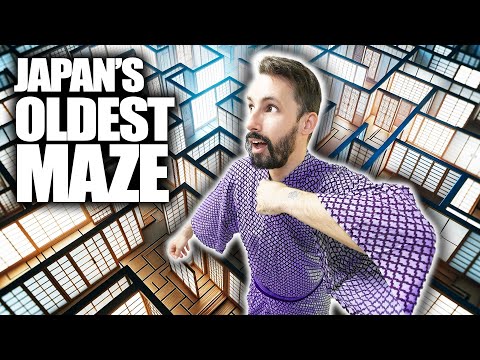
Spending the Night INSIDE Japan's OLDEST MAZE
- And it's kind of heartbreaking is one of those things about living in Japan.
And it's kind of heartbreaking is one of those things about living in Japan.
- And it's kind of, heartbreak is one of those things about living in Japan.
And it's kind of, heartbreak is one of those things about living in Japan.
Ella Emhoff on Political Dressing, Knitwear & the Perfect White Tee | The Good Buy | Harper's BAZAAR

- It was one of those things where, in the moment, deep inside, I knew I wasn't.
It was one of those things where, in the moment, deep inside, I knew I wasn't.
- It was one of those things where in the moment, deep inside, I knew I wasn't.
It was one of those things where in the moment, deep inside, I knew I wasn't.